
42 years in Haiti. One cooperative at a time.
Productive Cooperatives for Haiti: envisioned by the people, owned by the people, managed by the people... since 1984.
Since 1984, men and women in rural Haiti have become invested shareholders in their own productive agricultural cooperatives. Envisioned by the people. Owned by the people. Managed by the people.
pcH USA is a registered 501(c)(3) nonprofit. EIN 41-2919506. Gifts are tax deductible in the United States.
Give to the work
Every gift fuels member-owned cooperatives, adult literacy and community health in rural Haiti.
Tools, training and technical support for cooperative members
Give once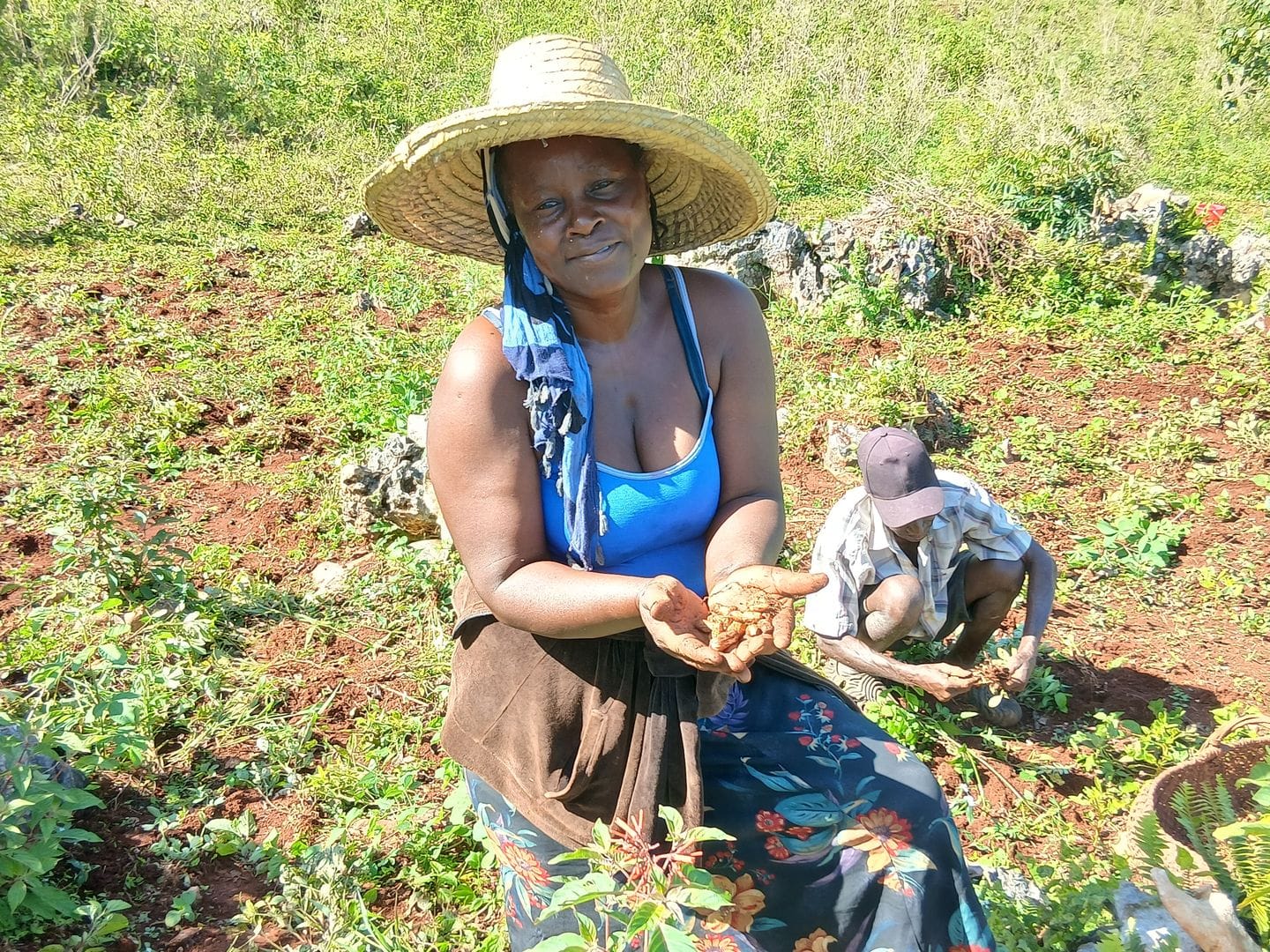
3,728
Cooperative members today
20
Active cooperatives
42
Years in Haiti
How it works
One model, three parts, refined over 42 years.
Cooperative Development
The business infrastructure of a cooperative: its rules, its principles and the discipline to keep them. Programs: Youth Impact Club and Women's Village Savings and Loans.
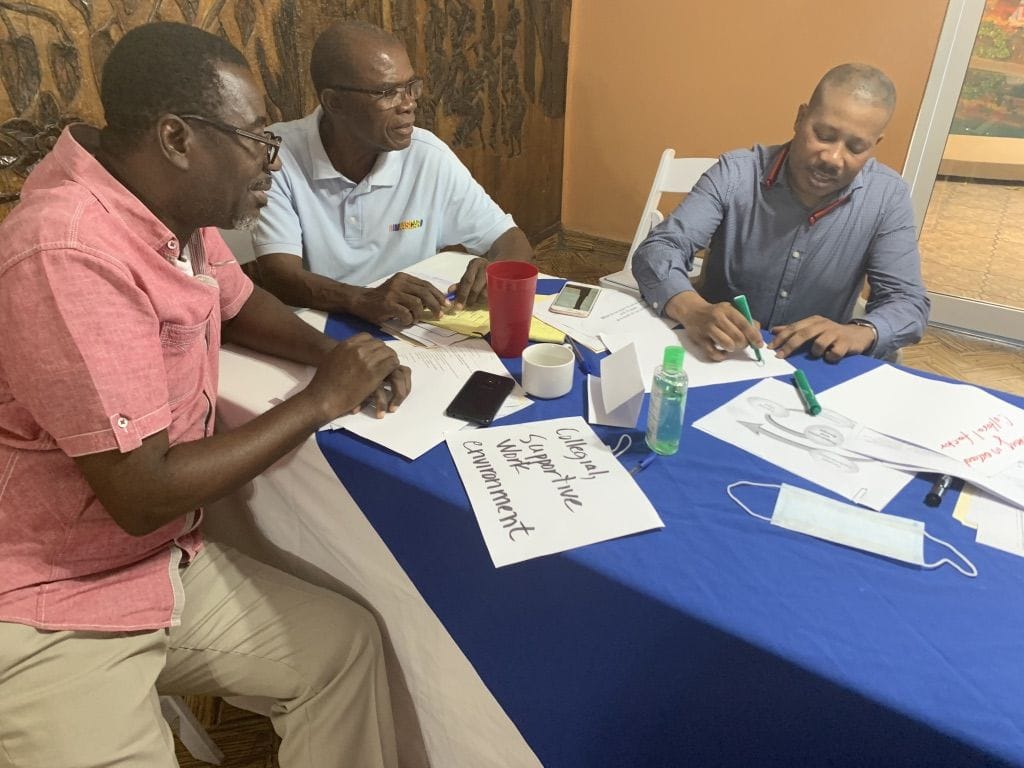
A pcH strategic planning meeting. Economic Development
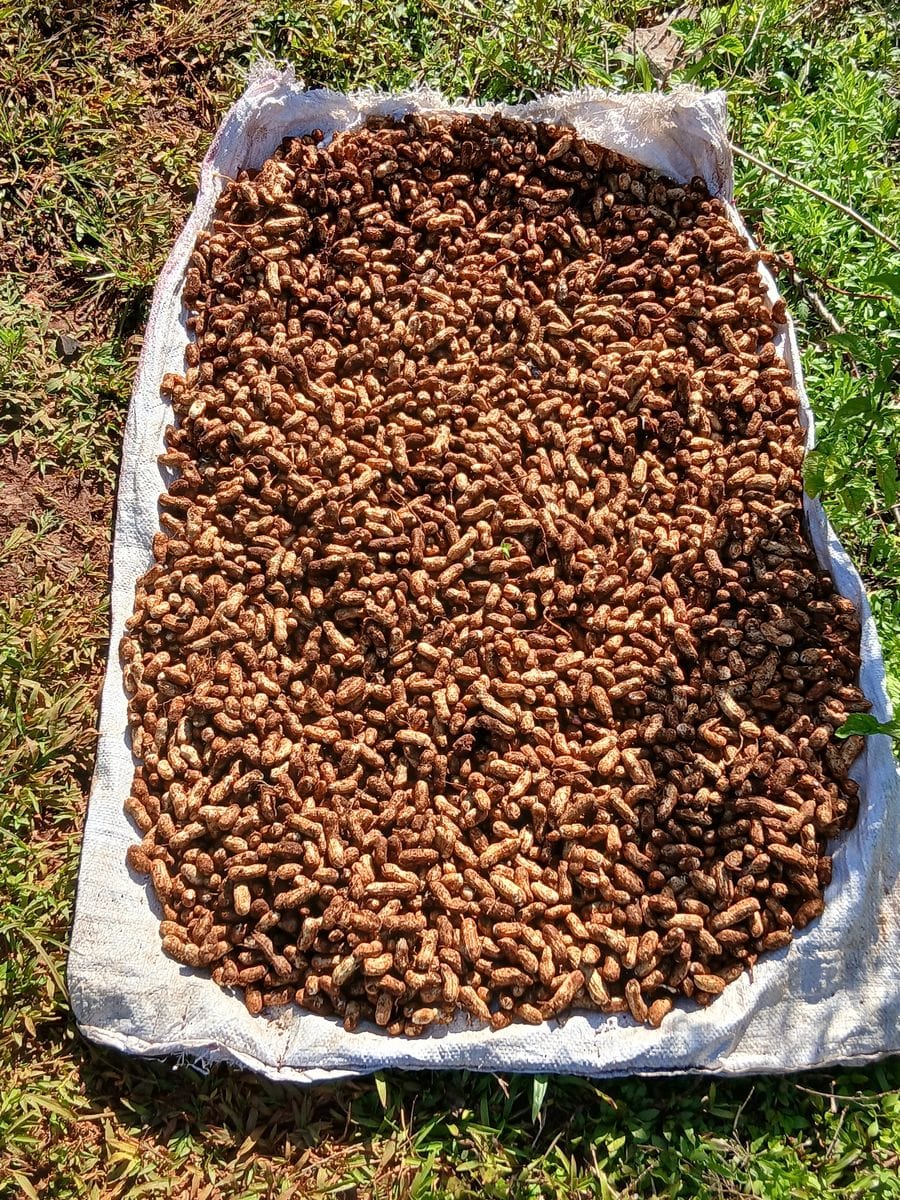
The productive activity each cooperative chooses and builds. Programs: Agriculture and Food Security investment, and Cooperative Health Services, which bring telehealth technology to the community and address gender-based violence.
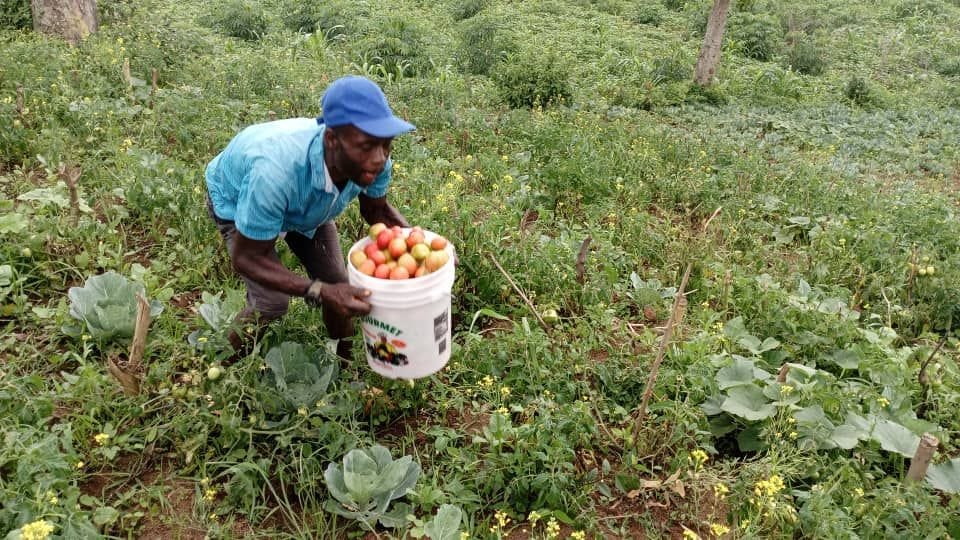
A member harvests tomatoes on his own plot. Member Capacity
Investment in each person's ability to be economically viable. At its heart: the Adult Literacy Program and a participatory methodology in everything we do.
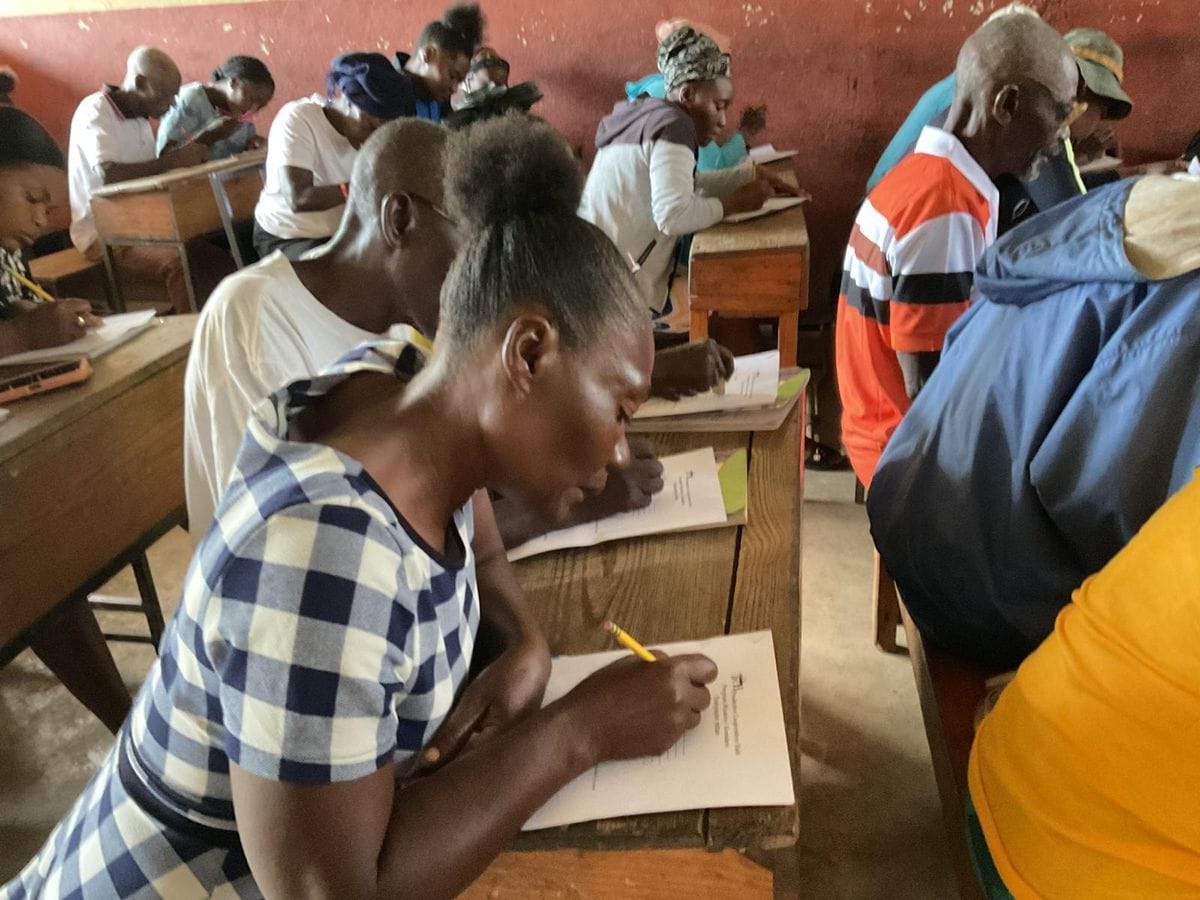
An adult literacy class. Nine months, one level, 250 dollars per learner.
Guided by the Seven International Principles of Cooperative and a strict practice of participatory methodology. Nothing is imposed. Everything is decided by the members.
Our story
True development must be in the hands of the people. If it is not envisioned by the people, owned by the people, and managed by the people, it will surely fail.
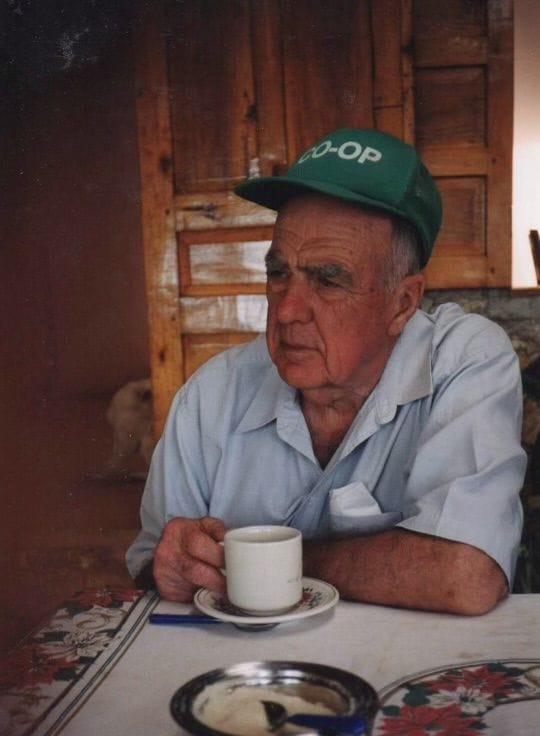
In 1984, Jack Wall arrived in Haiti with a conviction and no blueprint: that lasting change is not something done for a community, it is something a community owns. The first cooperative was founded in December of that year. The early work was paid for by a guest house, run by Anne Wall, who moved to Haiti at sixty without speaking the language.
Forty-two years later the model is the same and the work has never stopped. Not a multimillion-dollar project with predetermined timelines. A patient, participatory approach that belongs to the people who live it. Today pcH walks alongside 20 cooperatives and 3,728 members across 20 communities, with a Haitian team of 12 that has led the work on the ground for decades.
pcH USA was established in 2025 to bring American supporters into that work.
Get involved
There are four ways to stand with cooperative members in Haiti. Pick the one that fits your life.
Give monthly
Monthly gifts are what let a Haitian team plan a nine-month literacy level or a full growing season. $25 a month puts one adult through a full literacy level every year.
Start a monthly giftDouble your gift through your employer
Thousands of companies match what their employees give. Tell us where you work and we will follow up so you can confirm with them.
Check your employerBring your circle
Rotary clubs, congregations, alumni groups and family foundations have carried this work for decades. If your group wants to meet the people behind it, we will set up a conversation with the team, in person or online.
Write to usLeave a legacy
A bequest or beneficiary designation costs nothing today and is the largest gift most people ever make.
Other ways to giveGive to the work
Every gift fuels member-owned cooperatives, adult literacy and community health in rural Haiti.
Accountability
pcH USA is a 501(c)(3) public charity. Any donor can verify it on the IRS Tax Exempt Organization Search using EIN 41-2919506.
In 2025 an independent impact evaluation surveyed 135 cooperative members across the communities where pcH works.
- 95%
- reported a positive impact from at least one program
- 82%
- said their needs had decreased
- 78.5%
- judged that resources were well used
Independent impact evaluation, IFOS, 2025. Commissioned by partner organization World Renew.
Follow the work
Occasional letters from Haiti. No noise, no pressure.